
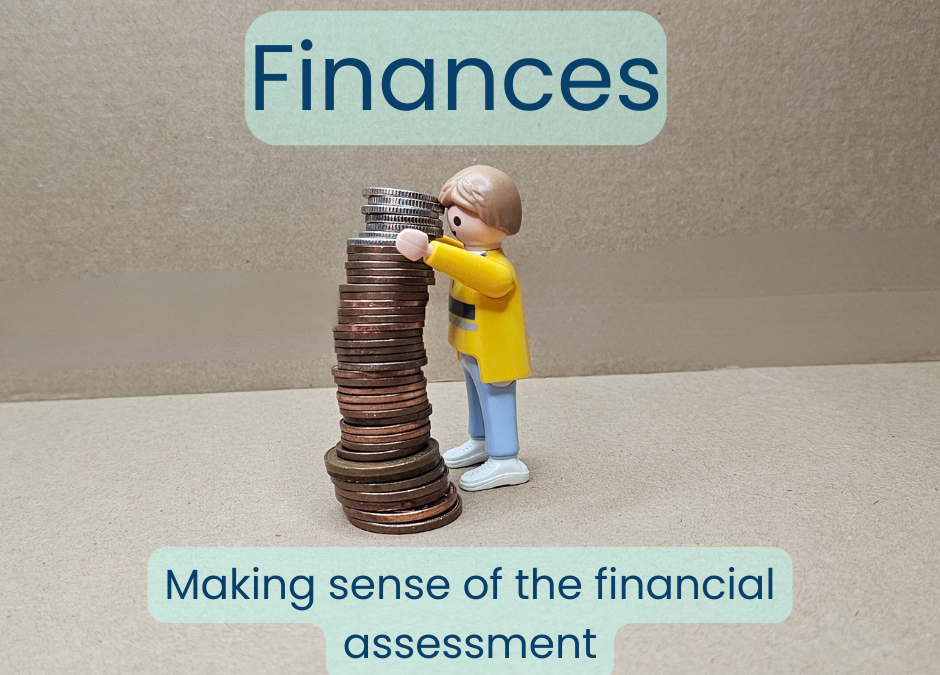
The reality is a financial assessment will be happening as a part of your adoption assessment, it is a part of the process and needs to be assessed along with everything else. Now this is not to say this is a make or break in terms of adopting but it is about having a real conversation about your finances.
Now I appreciate finance talk in the UK is almost a taboo subject, the British never like to talk about money, right.
So let me explain a few things I have come across and maybe this could help you too when you are asked about your financial assessment.
Firstly, there will be a document they will ask you to fill in such as incomings and outgoings and then they will ask to see your bank statements so they can see where the spending occurs. The form itself is something you can do in your own time and get things together before your social worker visit.
The form will ask specific questions and these are more about how you manage your money, things you account for such as holidays and trips as well as things like subscriptions and then those things you don’t account for such as a coffee and a pastry on the way to work.
The agency wants to know you have a plan or strategy of how your bills are paid and if/how you create savings generally or if you have a savings plan.
Now, can you have debt, yes, most people do such as mortgages and credit cards, it is about how you manage these debts rather than not having them at all. If you have credit card debt, they want to see that you have a strategy of paying them back, bringing the debt down or clearing the debt.
The planner helps you see for yourself the incomings and outgoings and if there are any changes you can see that you want to change or not. Having a financial review of your own situation is a good thing for you to know if there is any wastage such as a subscription you no longer need or had forgotten you had taken out.
The planner also allows for you to look at what potential future costs there could be such as things for the child’s bedroom or an allowance for future holidays, there is so much potential when you are able to sit and write everything down.
Now there are a lot of questions I get asked around savings, people worried they need savings before applying to become an adopter, so this is what I advise the adopters I work with so may be of use to you too.
Savings can be varied depending on who you speak to and what the agency’s expectations are. Even within the guidance from .Gov.uk website there is no actual figure given that they would like someone to have in terms of savings.
So for me I have a conversation with the adopters, talking about their finances now and when they will have a reduced income when they are adopting and where the shortfall will come from. Remembering the recommendation is for the main carer to have at least 12 months off work to be with the little one.
We explore everything reflecting on their potential lifestyle changes and the impact of caring for a child and the potential expenses for them such as equipment, outings, childcare etc and they then reflect and decide what will be right for them and knowing very clearly that they will be able to explain everything within the PAR and to panel members.
For the adopters I have worked with I have floated the idea of them having their finances covered for those 12 months, why? Because I do not want them to have the additional stress of financial worry with everything else I know they will experience as new parents.
For me as a social worker, I want to be able to take as much stress and pressure away from adopters as possible and finances to me is a relatively easy fix with some simple changes making a massive difference.
Saving throughout the assessment period will pay dividends when you have a financially stress-free time when getting to know and caring for your little one.
I appreciate this is a tough call for many, but thinking of it a bit differently such as for the price of a coffee and pastry a day £5 for five days a week over 52 weeks is an additional £1300 you do not need to find when in your first year of parenthood.
Thinking of things in this way helps the brain see that the savings task/plan is not overwhelming, it is small changes making a much bigger impact later on when you most need it.
Maybe spend some time thinking about the ways you can be saving money now so that when you are having this conversation with your social worker you already have a pot of money and savings habit already started.
Sending you my best wishes
Your Adoption Mentor Liz